People who like to get information about chemical gas. Today’s article is for those people only. Because today we are going to talk about Radon. It is a chemical element with the symbol Rn and atomic number 86. It is called a radioactive, colorless, odorless, tasteless noble gas. You can see our US radon map for information regarding radon. Which we have shown below through the list in a proper way.
United States Radon Map List :
1. U.S Radon Map:

2. Blank U.S Radon Map:
3. Radon Gas Map USA:
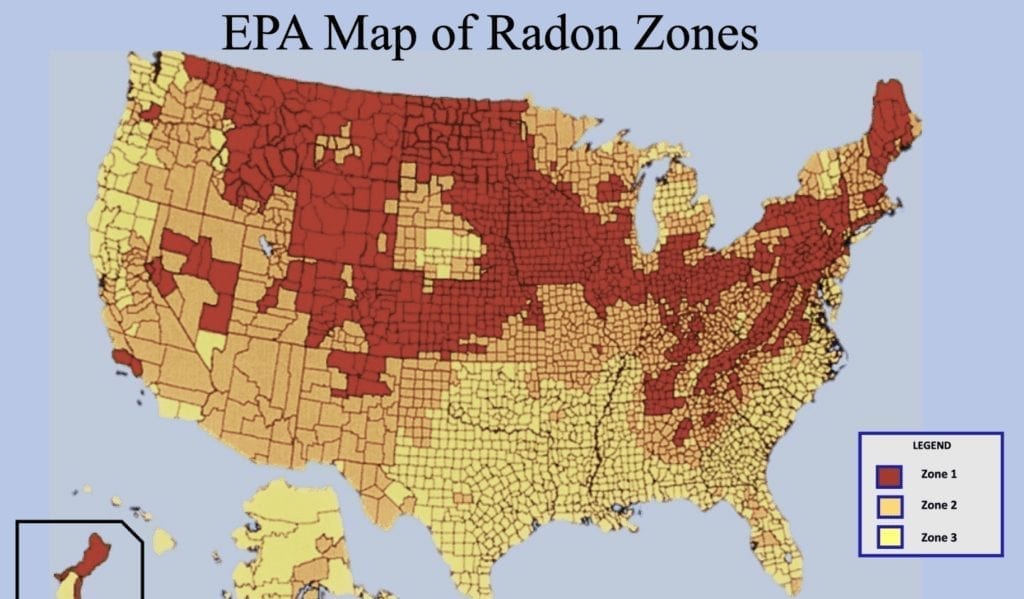
4. Radon Levels US Map:

5. Radon Map USA :

6. U.S Radon Map Black & White:
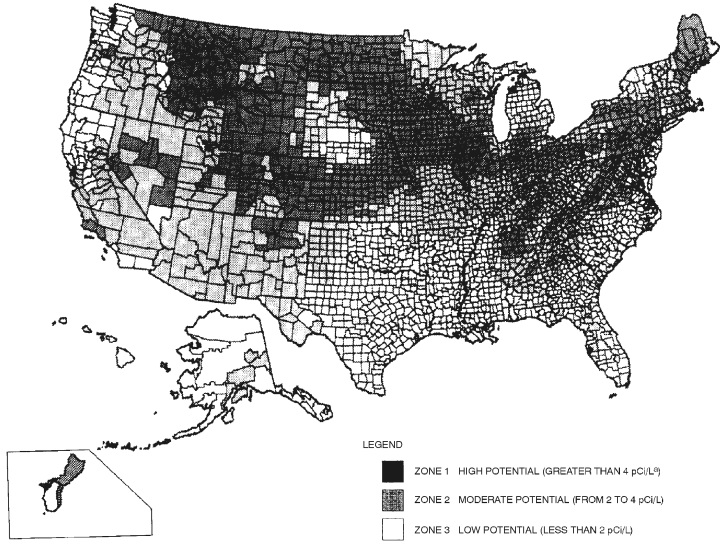
7. Radon Zone Map USA:
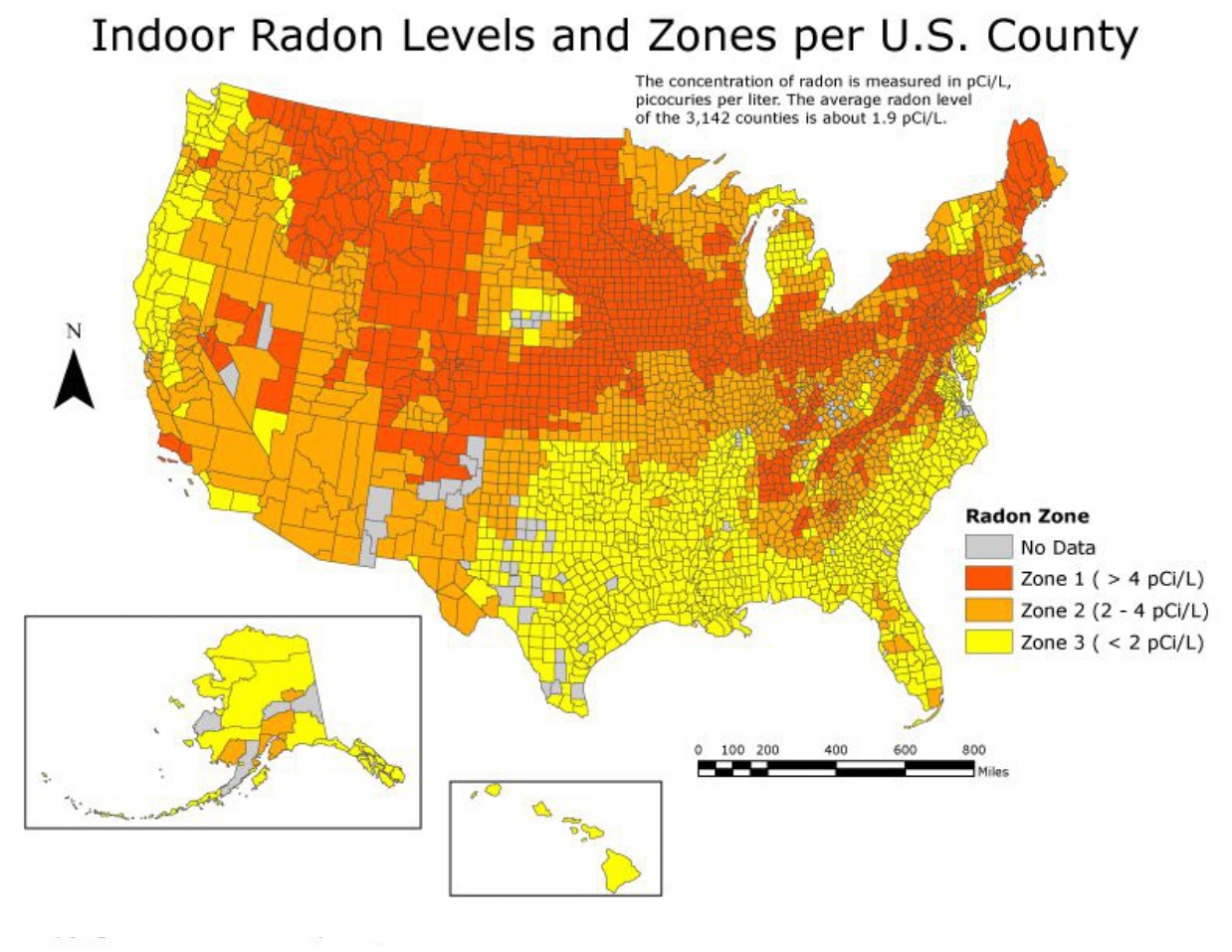
8. Printable US Radon Map:

9. U.S Geological Radon Map:

10. U.S Radon Map Annual Report:

For you, we have defined the 10 radon types on the United States map above. With which you can determine whether your area falls under it. You would also be curious to know what radon is. It is a type of gas that mostly flows through the surface of our house. It is made from radioactive uranium that decays underground at home. Due to the level of radon being on the ground, it is found in homes and not in tall buildings.
Radon itself is an immediate decay product of radium. It has an isotopic constant of 222Rn and a life of 3.8 days. Thus making them the rarest elements, Thorium and Uranium are counted among the most common radioactive elements on Earth. Due to the short life of radon, we will be able to see it in the future as well. It produces many short-lived nuclides, known as “radon daughters”. You can see the image related to this in our list of radon map of USA.
If the level of radon in your home ranges from 2 pCi/L to 4 pCi/L. So you should think about fixing it. By looking at the radon in US map, you can know whether the area where you live is under the area of radon or not. If it comes, then you don’t need to worry about it. You check your house. No matter what step you have to take for that. The dawn level comes high then you should not ignore the consequences and take steps to reduce it.
Being in contact with gas can also harm your health; just as if a person has lung cancer, this gas can also prove to be equally harmful to your health in the same way. You can see the image related to it on the 3rd No. The US Environmental Protection Agency (EPA) has reported that it causes 21,000 deaths every year due to radon. People who smoke consume more. Because smoking is more likely to cause lung cancer.
In contrast to those who do not smoke. Those people who come in contact with radon become sick with the disease. So you can see our radon map of US in which we have shown the radon level through 4rth image. Often seen several times. No rules or laws are being made regarding its prevention when infested with radon. This is very harmful for humanity. For this, we have to take the initiative. To prevent disease caused by radon.
US Radon Zones by State
The EPA divides the US into 3 radon zones based on average indoor radon levels:
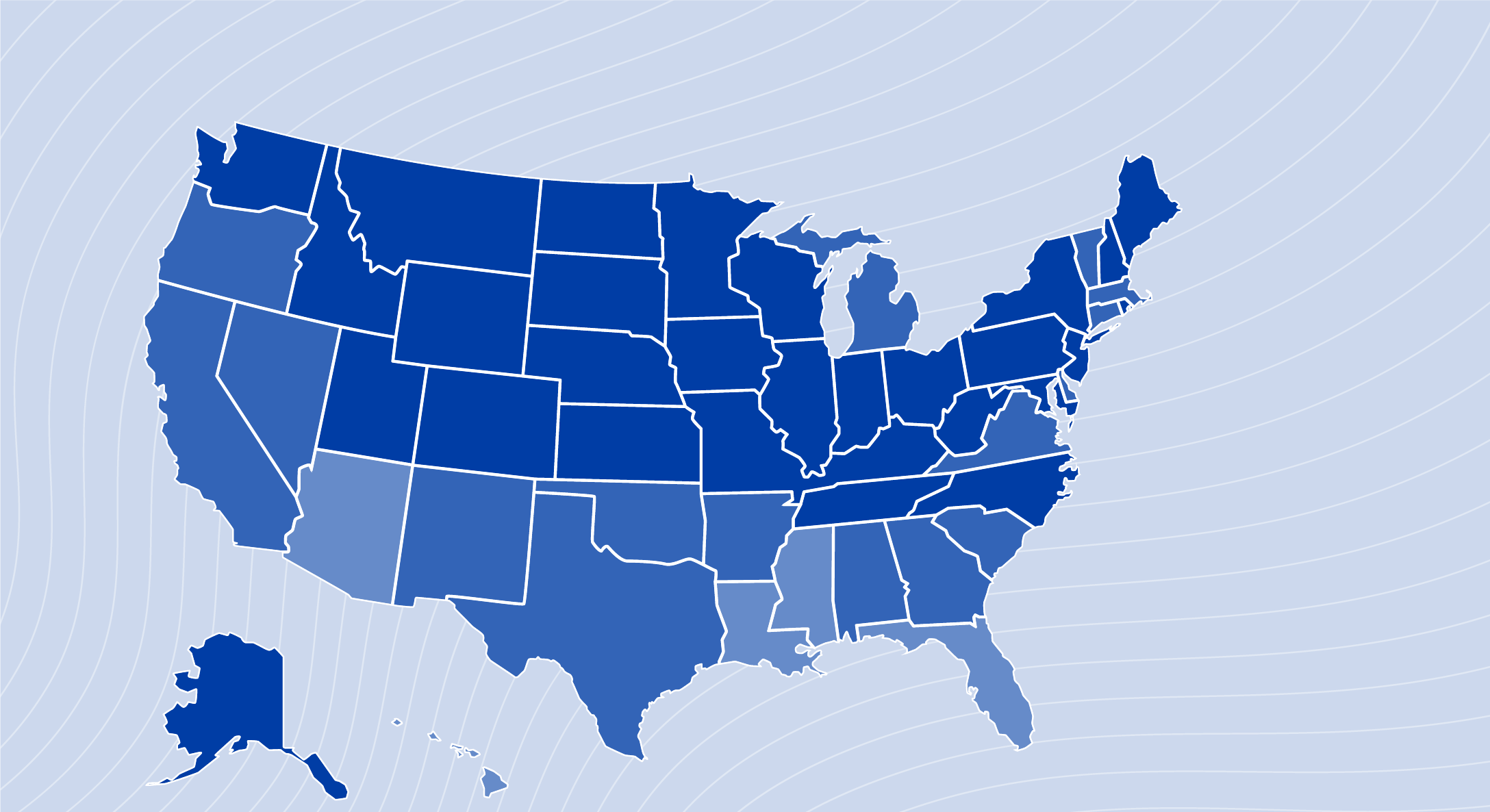
- Zone 1 (Highest Risk — above 4 pCi/L): Iowa, Minnesota, North Dakota, South Dakota, Nebraska, Kansas, Missouri, Wisconsin, Illinois, Indiana, Ohio, Pennsylvania, New York, Montana, Wyoming, Colorado, Utah
- Zone 2 (Moderate Risk — 2-4 pCi/L): Washington, Oregon, California, Nevada, Idaho, Arizona, New Mexico, Texas, Oklahoma, Michigan, Kentucky, Tennessee, Virginia, West Virginia, Maryland, Connecticut, Massachusetts
- Zone 3 (Lowest Risk — below 2 pCi/L): Florida, Louisiana, Mississippi, Alabama, Georgia, South Carolina, North Carolina, Hawaii, Alaska
Most Affected States: Iowa, Minnesota, and North Dakota have the highest average indoor radon levels in the USA.
There is no need to tell you about how to download these US radon zone maps. Because we have already told you about this. You can download the radon in the USA map through the PDF button, and a printout can also be taken out through a printer. All these maps are printable.
Frequently Asked Questions
Q1: Which US states have the highest radon levels?
Iowa, Minnesota, North Dakota, South Dakota, and Pennsylvania consistently have the highest average indoor radon levels in the USA. These states fall in EPA Zone 1, where radon levels average above 4 pCi/L.
Q2: What is a safe radon level in a home?
The EPA recommends taking action if radon levels in your home are at or above 4 pCi/L. The average indoor radon level in US homes is about 1.3 pCi/L. Levels between 2-4 pCi/L should be monitored.
Q3: How does radon enter a home?
Radon is a radioactive gas produced by the natural decay of uranium in soil and rock. It enters homes through cracks in foundations, walls, and floors. It is more common in ground-floor and basement
areas than upper floors.
Q4: Can I download these radon maps for free?
Yes, all 10 radon maps are completely free. Click the PDF button under any map to download it instantly.